YouTube hook examples: 6 real hooks, dissected line by line
You lose most of your viewers in the first 30 seconds. Not to boredom. To a broken promise.
Every guide on earth says "start with a strong hook," shows you zero real ones, and moves on. So this post does the opposite. Six actual openings from six real channels, taken apart line by line: what each sentence is doing, why the viewer stays, and the reusable pattern underneath, as a fill-in-the-blank you can steal.
First, the 30 seconds of theory that makes the teardowns make sense.
A hook is a contract, not a firework
Someone clicked your title. In that moment they're asking one silent question: "is this what I came for?"
Your hook's first job is answering yes, fast. Within one or two sentences, the viewer should feel their click validated: the promise from the title and thumbnail, confirmed and sharpened. Then two more jobs in quick succession: give the promise stakes (why it matters, what's at risk, what's absurd about it), and open a question that stays deliciously unanswered.
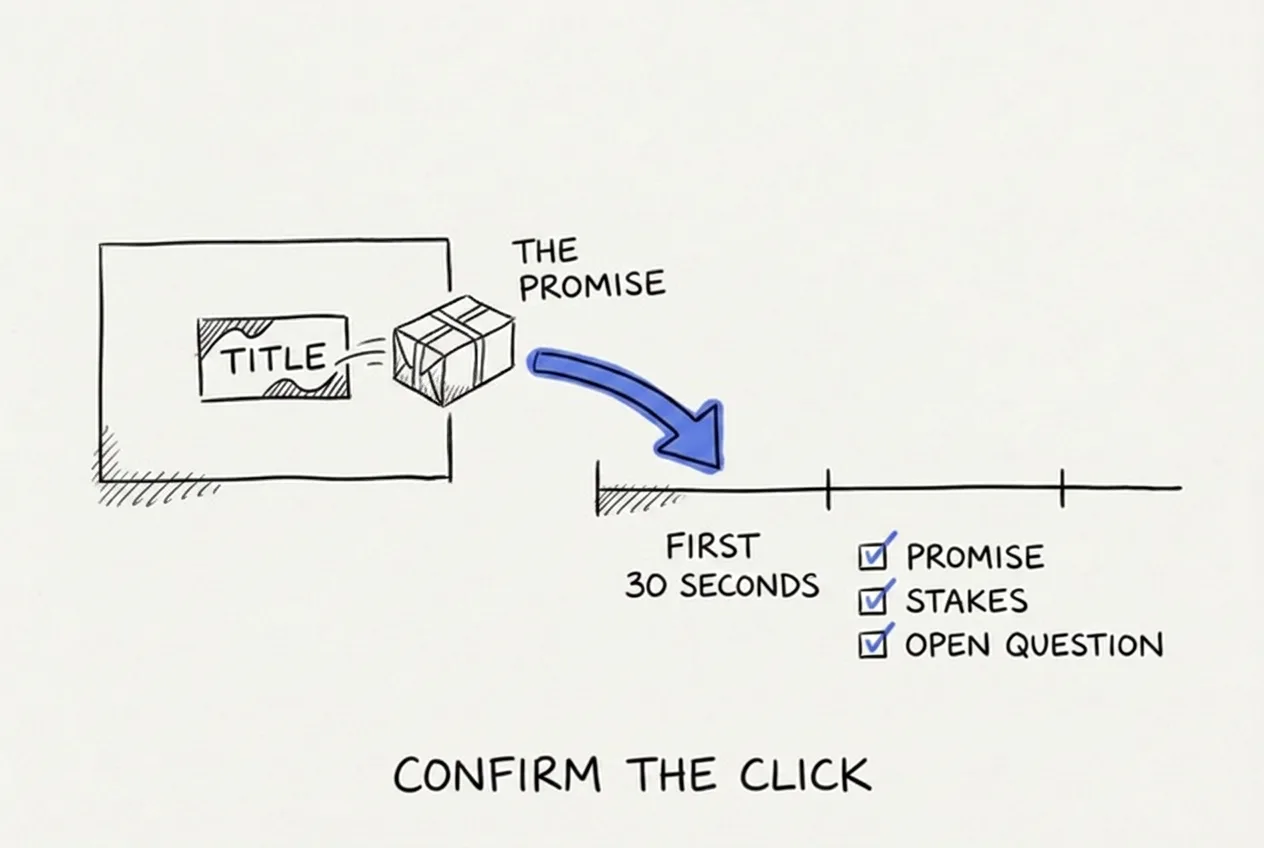
The contract: packaging promises, hook confirms, video delivers. Break any link and the retention graph shows it.
Promise. Stakes. Open question. And one manner note: the best hooks start mid-conversation, as if the video was already running when you arrived. Nobody great opens with "hey guys, welcome back."
That's the hook's whole job. It's also just the first 30 seconds of a complete YouTube script, so nailing it only earns you the right to keep the rest of the promise.
Now watch six masters do it six different ways.
1. The committed answer (Veritasium)
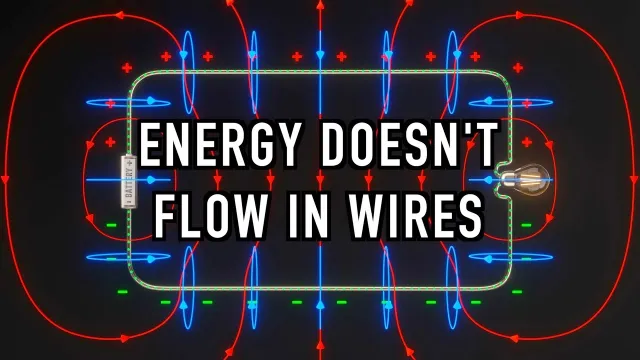
What the packaging promises: the title says you believe something wrong about electricity. The thumbnail escalates it: a battery-and-bulb circuit wrapped in glowing field lines, with giant text making an even bolder claim, ENERGY DOESN'T FLOW IN WIRES. A viewer clicks to find out whether they're one of the people who's wrong.
The hook, word for word:
"Imagine you have a giant circuit consisting of a battery, a switch, a light bulb, and two wires which are each 300,000 kilometers long. [...] Now, the question is, after I close this switch, how long would it take for the bulb to light up. [...] I want you to commit to an answer and put it down in the comments so you can't say, oh yeah I knew that was the answer, when I tell you the answer later on."
What he did, and why it works:
- The absurd-scale circuit makes the title's claim testable within seconds. The promise from the packaging is confirmed and sharpened into one concrete, multiple-choice question.
- Your brain answers involuntarily. Now you have a stake in being right.
- The commit-in-the-comments move turns passive curiosity into ego. You're not waiting for an answer anymore; you're waiting for your grade.
- The answer arrives at 11:39. An 11-minute open loop, and the public commitment is what makes it hold.
The framework: Here's a question: [concrete, answerable question]. Commit to an answer before I tell you, because [you'll want credit / everyone gets this wrong].
2. The flashback spectacle (Mark Rober)
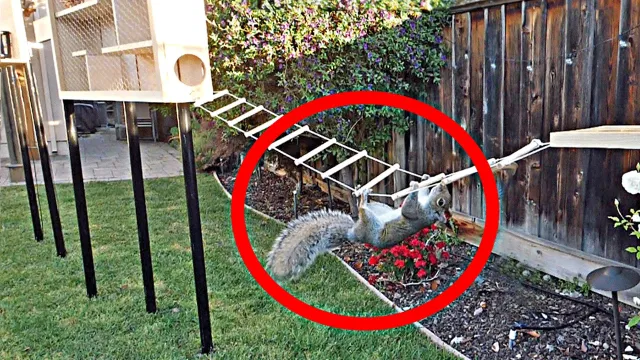
What the packaging promises: the title names the absurd machine, and the thumbnail delivers visual proof it exists: a real backyard obstacle course, with a squirrel mid-heist dangling upside down from a rope ladder inside a big red circle. The promise is spectacle plus battle of wits, and the circled squirrel says the squirrel is winning.
The hook, word for word:
"This is a bird feeder, and everything to my left is my attempt at making it squirrel-proof. If they want the bird seed, they will first need to pass through what is basically an eight-part 'Ninja Warrior' obstacle course for squirrels. [...] But out of the gate, I will admit that in hindsight that I completely underestimated my adversary. Now if you're wondering why I would go through all this trouble, we need to go back eight weeks ago."
What he did, and why it works:
- The spectacle from the thumbnail appears on screen in the first ten seconds. Click confirmed, no warm-up.
- "I completely underestimated my adversary" reframes a DIY build as a duel. Instant stakes, instant antagonist, and a spoiler that the plan goes wrong without saying how.
- "We need to go back eight weeks ago" flips the whole video into a flashback. You've seen the destination; now the journey has a known payoff and one open question: how did it come to this?
The framework: This is [the finished, absurd result]. [One line hinting it didn't go to plan.] To understand why, we need to go back [time period].
3. The mid-scene drop (Johnny Harris)
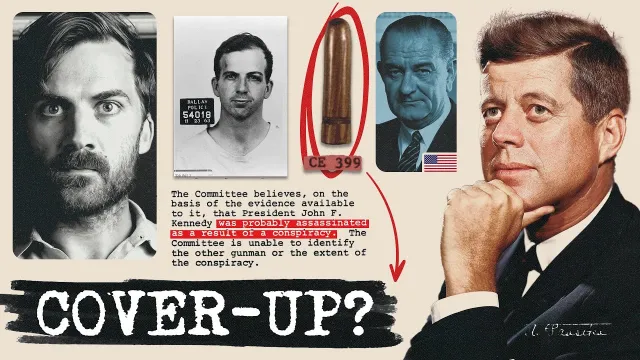
What the packaging promises: the thumbnail is an evidence board: Oswald's mugshot, the circled bullet labeled CE 399, LBJ, JFK, and a real committee document with "was probably assassinated as a result of a conspiracy" highlighted, under one stamped word: COVER-UP? Paired with the title, the promise is explicitly NOT "who killed JFK" but "why reasonable people doubt the official story." That's a subtler contract, and the hook has to keep exactly that.
The hook, word for word:
[Archival newsreel:] "The president's car is now turning on to Elm Street in open limousine parade." [A gunshot fires.] [Johnny:] "There's a cover-up that's about to happen here. [...] The assassination of a president and then a scramble by the U.S. government to hide information from its people."
What he did, and why it works:
- Starting mid-scene, inside the archival audio, skips every second of setup. The event is already happening; leaving now means leaving a story mid-sentence.
- His first sentence lands the thumbnail's stamped question as a statement, seven seconds in, before you've decided what kind of video this is.
- A minute later the thesis sharpens the contract: doubting the official story "isn't as crazy as you might think." He's promising to justify the doubt without becoming a conspiracy video, and that tension carries 28 minutes.
The framework: [Drop the viewer mid-scene, no context.] [Bold claim about what's really happening.] [Then the promise: I'll show you why this matters more than you think.]
4. The direct promise (Ali Abdaal)
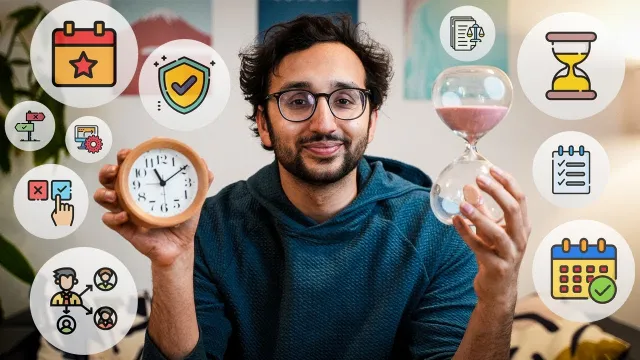
What the packaging promises: a plain, functional contract. The title literally enumerates the deliverable, and the thumbnail shows Ali holding a clock and an hourglass surrounded by little productivity icons: friendly, organized, zero mystery. Nobody clicks this out of curiosity; they click it to learn ten things.
The hook, word for word:
"All right. So over the past 10 years, I have read basically all of the books around productivity and time management. And in that time, there are 10 things that I still use in my life, genuinely use to help make my time management more efficient. Let's talk about them in this video. Tip number one is that we absolutely own all of our time."
What he did, and why it works:
- The anti-hook. No mystery, no story, because the packaging promised information, not intrigue. For search-intent viewers, speed IS the hook: tip one starts fifteen seconds in.
- The credential is one sentence, not a bio. Ten years of reading condensed to ten survivors is curation, which is its own promise.
- A self-deprecating beat lands soon after (six hours of World of Warcraft that same day) so the direct format never turns preachy.
The framework: Over the past [period], I've [compressed credential]. These are the [N] [things] I actually still use. Number one: [go, immediately].
5. The analogy reframe (MKBHD)
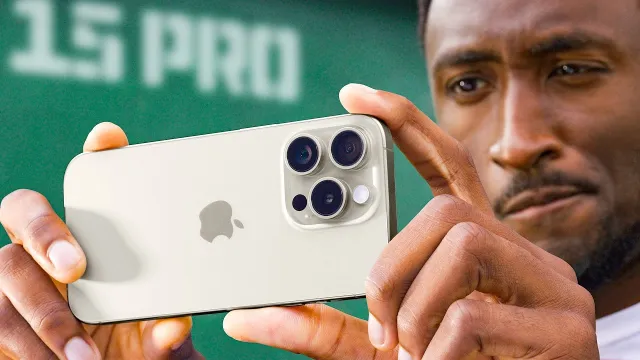
What the packaging promises: the thumbnail is the product held in-hand with Marques scrutinizing it up close; the title's "The Good, The Bad, & The Ugly" promises an honest verdict, not a hype reel. The stakes live entirely in the packaging, which is what frees the hook to do something unusual.
The hook, word for word:
"You know what's funny? When there is not that many changes, it really puts a magnifying glass on the few changes that there actually are. Have you ever listened to a car reviewer describe the latest generation Porsche 911?"
What he did, and why it works:
- A review of a phone that barely changed is a retention death sentence, so he opens with the reframe as a thesis, then spends the first minute on the Porsche 911: a car that's looked the same for 50 years and gets praised as refined rather than boring.
- The analogy converts the video's weakness (nothing new) into its lens (refinement is the story).
- Because the title already carried the verdict promise, the hook doesn't need to restate it. You stay because the argument is interesting before the phone even appears. He hooked you with a car in a phone review.
The framework: Have you noticed how [familiar thing everyone accepts]? [Two lines developing it.] That's exactly what's going on with [your actual topic].
6. The stakes-first opener (Kurzgesagt)
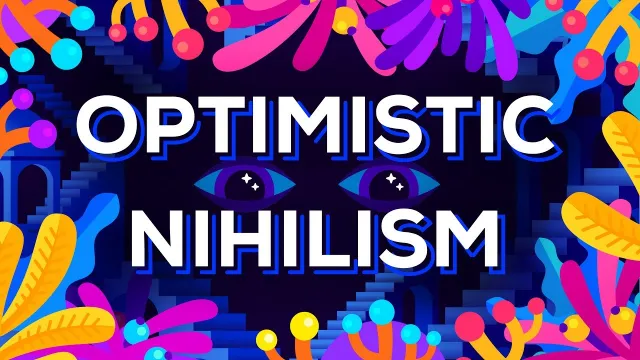
What the packaging promises: two words that contradict each other, drawn in Kurzgesagt's joyful colors with a pair of watchful eyes hiding in the dark middle. The title is a paradox and the thumbnail makes the paradox feel playful rather than bleak. The promise: this will confront something heavy and somehow leave you feeling better.
The hook, word for word:
"Human existence is scary and confusing. A few hundred thousand years ago, we became conscious and found ourselves in a strange place. [...] This place was obviously made for us. Something was watching over us. We were home. This made everything much less scary and confusing."
What they did, and why it works:
- Sentence one names the highest possible stakes in six words: your own existence. There is no bigger "why should I care."
- Then a comforting story gets built up for twenty seconds, specifically so it can be dismantled. Comfort, doubt, freefall: a complete micro arc inside the hook itself.
- Naming the uncomfortable feeling out loud buys instant trust that the video won't pretend, which is exactly the title's paradoxical promise being kept.
The framework: [The true, uncomfortable statement about the viewer's world, plainly.] [The comforting story we tell ourselves.] [The crack in it.]
The four ways hooks die
So far we've been looking at good hooks and why they work. But it's worth spending a minute on the other side, because bad hooks aren't just weaker versions of good ones. They fail in specific, recognizable ways, and you've almost certainly shipped at least one of these. If your retention graph shows a 30-second cliff, one of these four is probably why:
- The contract break. The title promises "I tested every budget microphone" and the video opens with the story of how you got into audio. Even ten seconds of mismatch reads as the wrong video, and the back button agrees.
- Self-answering. "Can you learn guitar in 20 minutes a day? Yes! Let me explain why." The question died in the second sentence, and with it every reason to stay. Curiosity needs a gap to exist.
- The slow ramp. "Hey guys, welcome back. Before we start, a quick word about the channel..." Every second before the promise confirms is a second the viewer spends deciding to leave.
- Borrowed drama. Epic music, rapid cuts, and "this changes EVERYTHING" over a video that mildly compares two tripods. Viewers forgive plain openings; they punish bait.
Write yours in 10 minutes
Six hooks, six completely different opening moves, one shared job: confirm the click, raise the stakes, open a question. Reading them back to back, it's tempting to conclude these creators are just naturals. Maybe some are. But notice that everything they did in those first 30 seconds is a repeatable move, not a talent, and you can run the same process on your own video in about ten minutes.
Take your next video's title. Then:
- Write the silent question(s) a clicking viewer is asking after looking at your title and thumbnail. (Title: "I tested every budget mic." Question: which one should I buy?)
- Pick the archetype that fits your content: committed answer for a question video, flashback for a build or story, direct promise for a tutorial, analogy for a topic that needs reframing, stakes-first for something existential or emotional.
- Draft it in under 60 seconds of spoken time (about 140 words). Check the contract: promise confirmed in two sentences, stakes present, one question left open.
- Now write it twice more, genuinely differently. Different opening move, not different words: if draft one starts with the question, start draft two mid-story and draft three with the bold claim. Then pick.
That last step is the one nobody does, and it's where good hooks actually come from. Your first hook idea is the same first idea every creator in your niche had. The third one is yours.
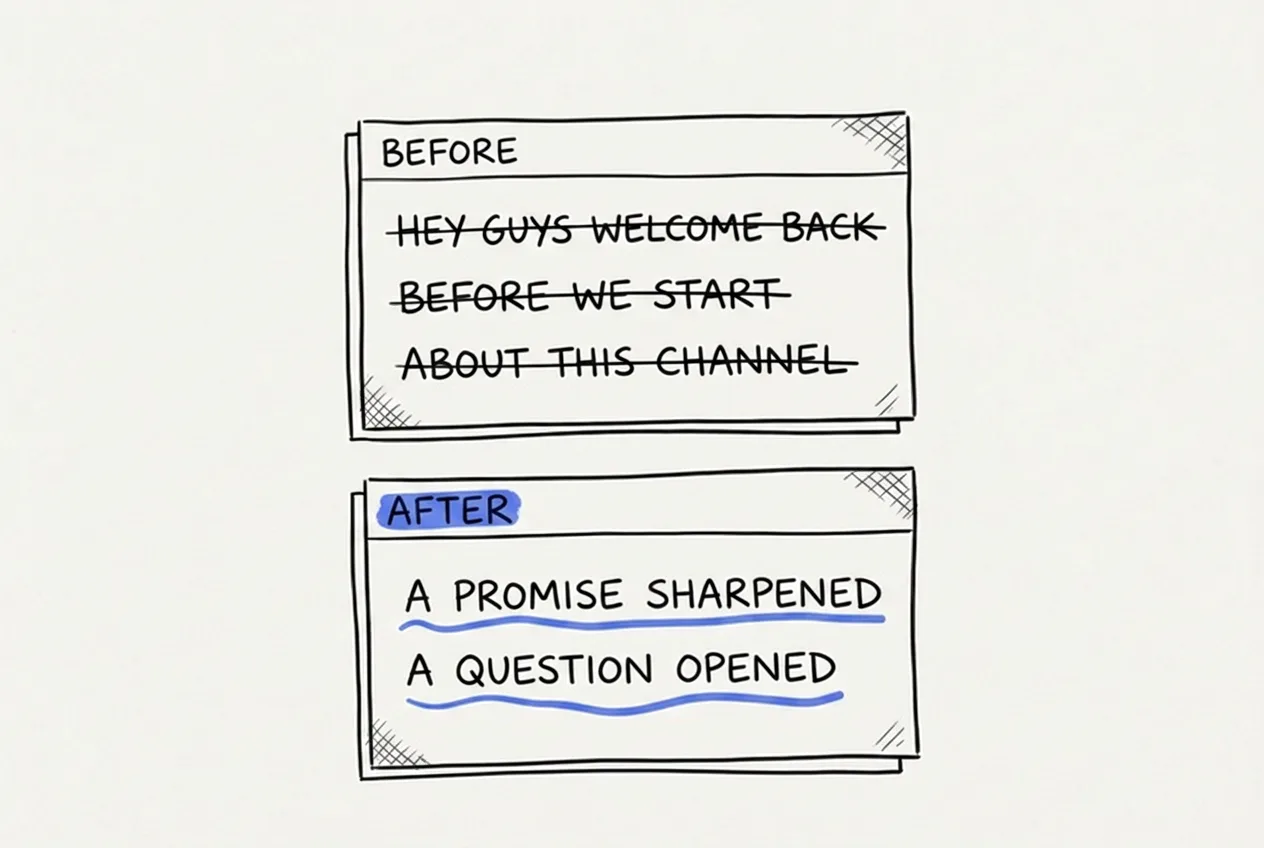
Same video, two hooks. The rewrite confirms the click in two sentences.
Steal the whole habit
Everything in this post comes down to one uncomfortable fact: a video with a weak hook loses its audience in the first 30 seconds, before any of your actual content gets a chance. On a retention graph it has a signature shape. It's called the 30-second cliff, and it's the first pattern in the retention diagnostic:
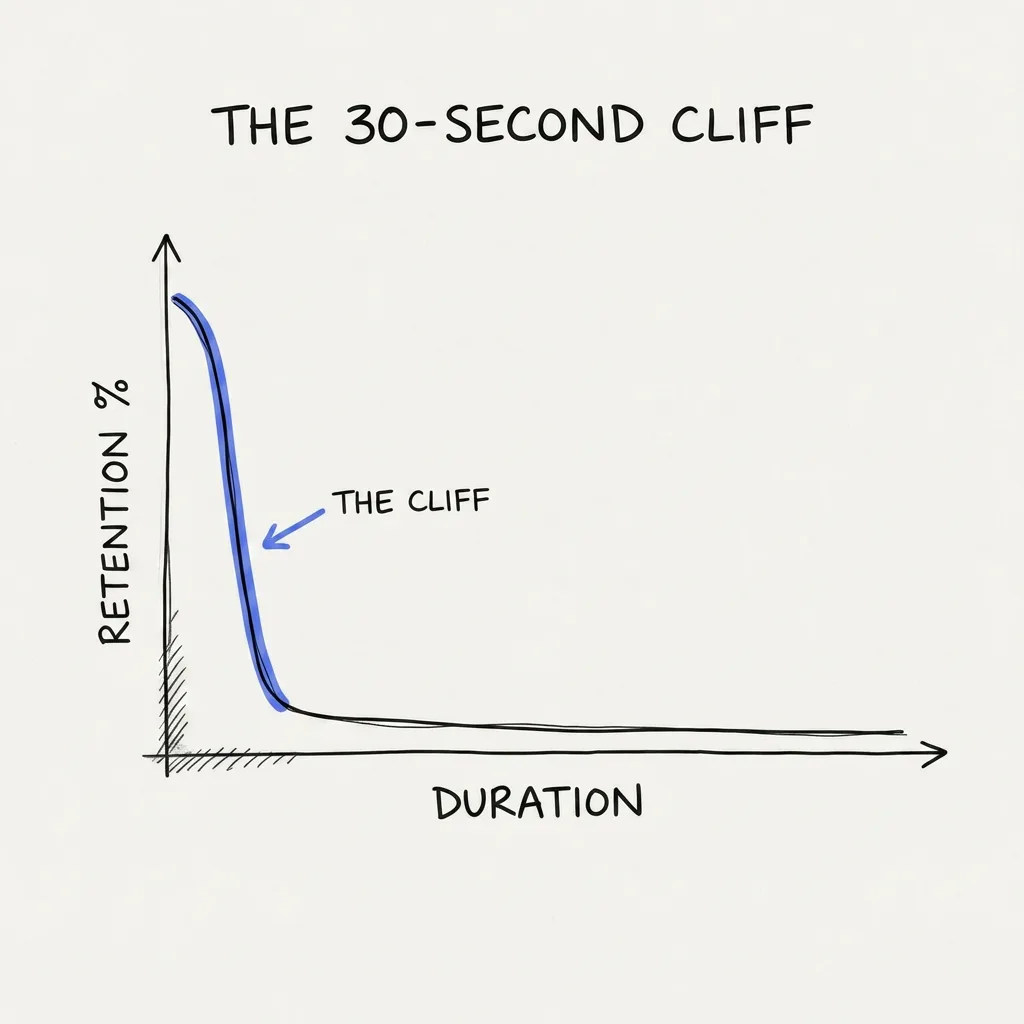
A hook that didn't hook. Nothing that comes after this point gets those viewers back.
And a hook that actually hooks almost never arrives on the first try. You saw the fix in the exercise above: write it, read it back, realize it's the same opening everyone in your niche uses, and write it again until one lands. That works. Doing it for every single video you ever upload is where it gets genuinely tedious.
Which is why I built ScriptGraph to do it for you. It generates multiple hooks for your video in one go, each built on a different opening move, and you slot the one you like straight into your script. It's saved me hours of staring at openings.
Three different opening moves for the same video. I built ScriptGraph to make this the default, and this is what it looks like.
If that sounds useful, check out ScriptGraph.
Quick answers
How long should a YouTube hook be? A hook should be short, doing its job in the first one or two sentences where the viewer feels their click confirmed. The whole opening runs under about 60 seconds of spoken time, roughly 140 words. Speed itself can be the hook, since in the Ali Abdaal example the first real tip starts about fifteen seconds in. What matters is not the exact length but that the promise, the stakes, and one open question all land before the viewer decides to leave.
What makes a good YouTube hook? A good hook works as a contract, not a fireworks display. Within the first sentence or two it confirms the promise the title and thumbnail made, then it raises the stakes and opens a question that stays unanswered. The best ones start mid-conversation, as if the video was already running when you arrived, with no greeting and no channel intro. It also avoids the four common failures: breaking the title's promise, answering its own question, ramping up slowly, and faking drama the content doesn't earn.
And commit to your hook before you film it. You'll want credit for calling it.
Adi
P.S. Hooks open loops; the rest of the video has to carry and close them. That system is in the open loops guide.
50%
off · life
Founding Member offer · live now
Script your next YouTube video in 30 minutes
The first 100 subscribers lock in 50% off, for life.
Adi
Founder of ScriptGraph and part-time YouTuber since 2020.
Check out my channel